

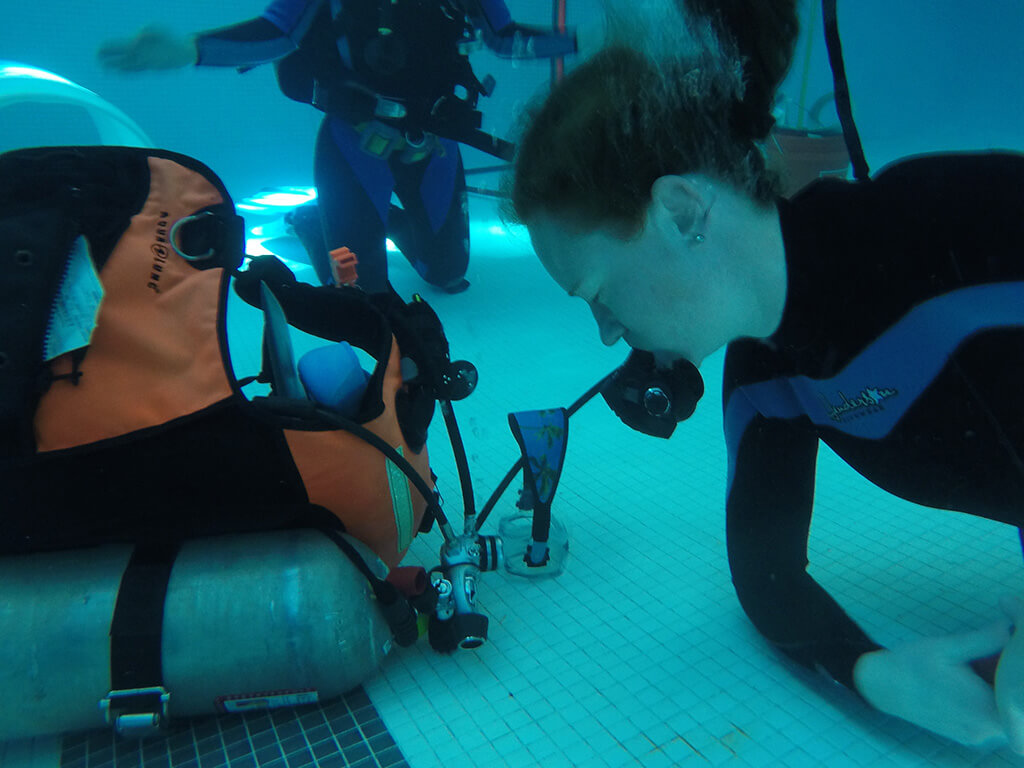
Critical Skills Diver training prepares Public Safety Divers (PSDs) to use repetition in training as a means to improve in-water confidence and competence. PSDs are introduced to the concepts of muscle memory, stress survival responses, and stress inoculation. Proper response to key underwater emergencies are examined and practiced. Student skill level evolves through repetition of familiar and unfamiliar challenges. Simply, this course introduces the knowledge and skills that help PSDs to develop the ability to prevent and/or survive a diving emergency.
Critical Skills Diver
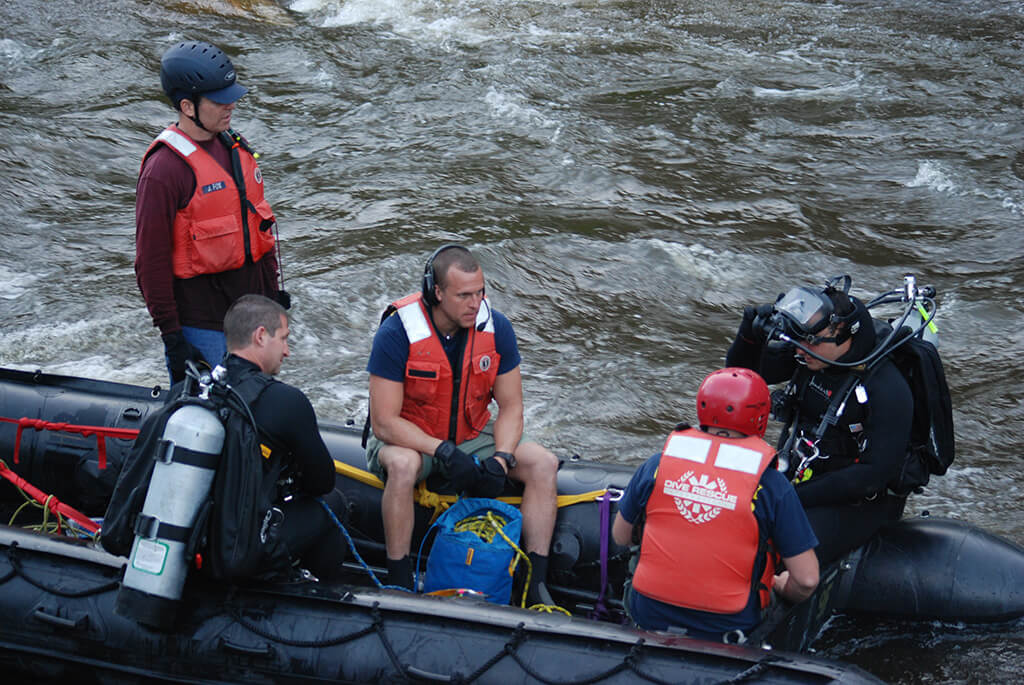
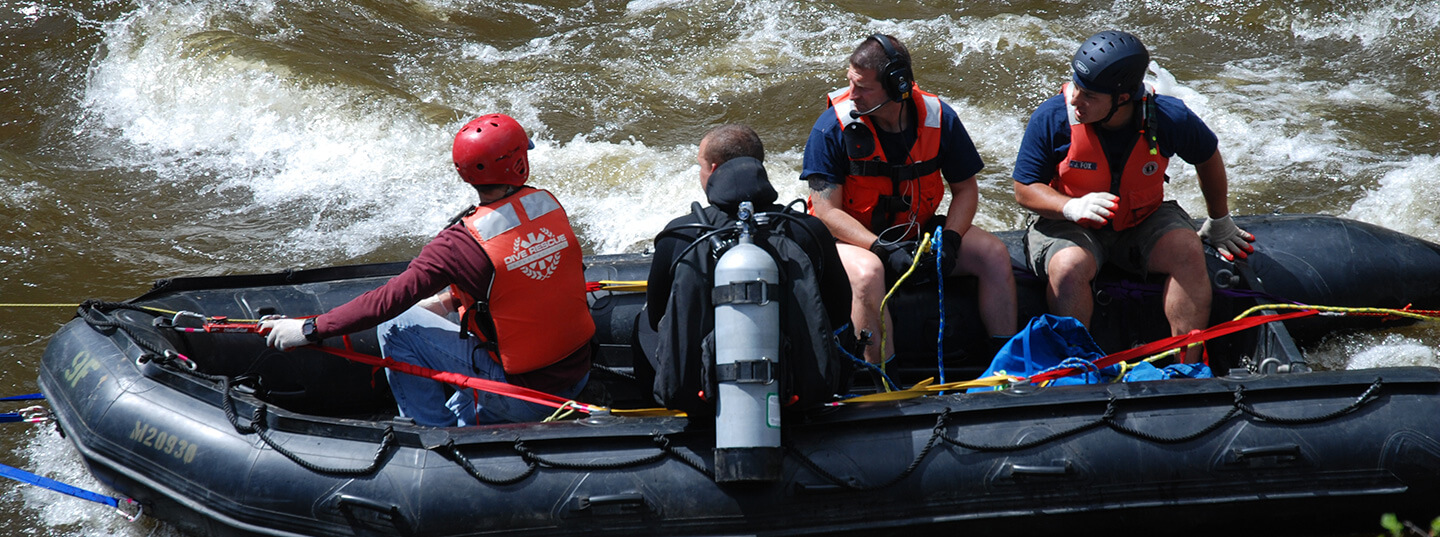
Prepare your team for current diving by learning to use specialized equipment, and proven search techniques. Upon successful completion of the Dive Rescue International program, students can safely complete complex, challenging, and potentially dangerous current diving operations. Our program teaches anchoring skills and high line techniques that prepare your team for various incident scenarios.
Current Diving
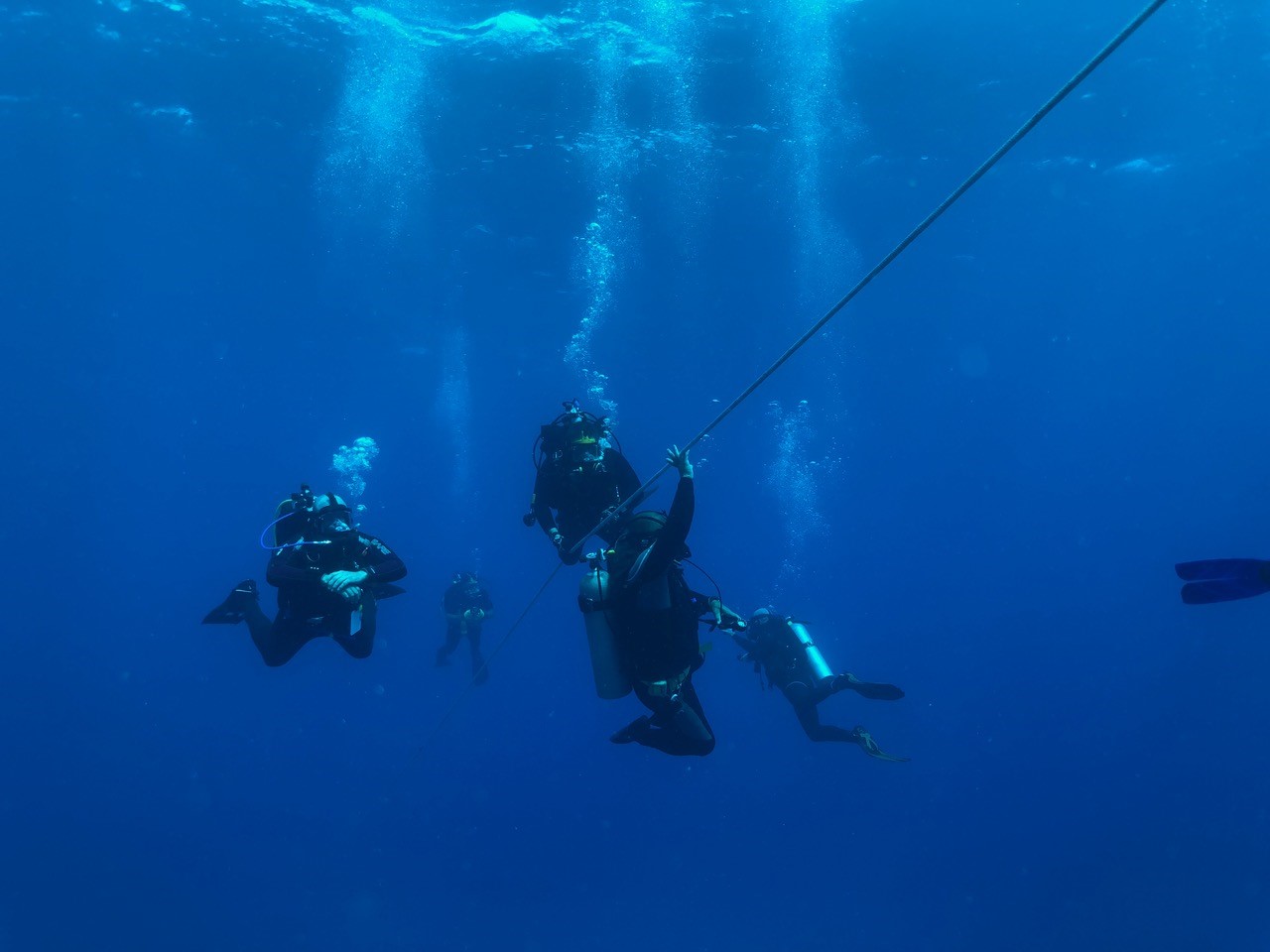
After completing this program, the Public Safety Diver (PSD) will have established the baseline set of knowledge, skills and abilities to plan and conduct Open Circuit, No-Deco Scuba Dives on air for water depths up to 130 feet.
Deep Dive Operations
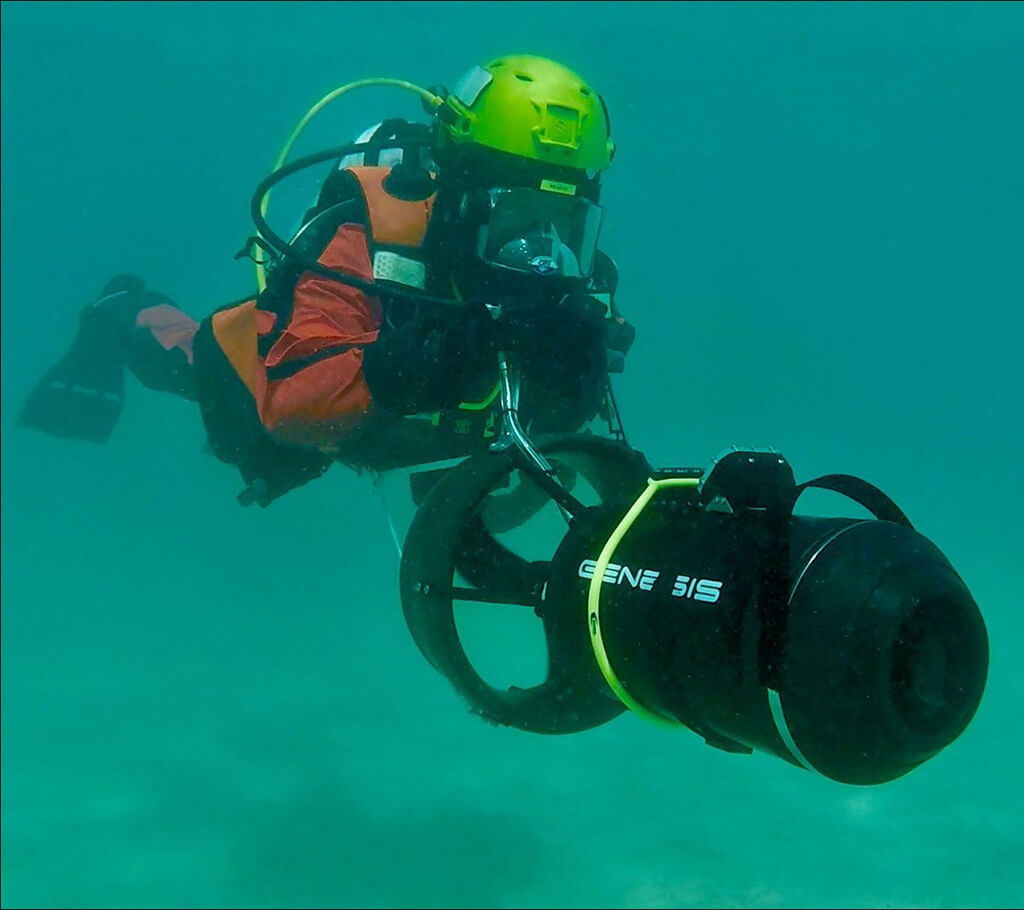
After completing this program, the Public Safety Diver (PSD) will be able to select, inspect, prepare, rig, safely operate, and care for a Diver Propulsion Vehicle (DPV) in an appropriate open water setting within their jurisdiction.
Diver Propulsion Vehicle
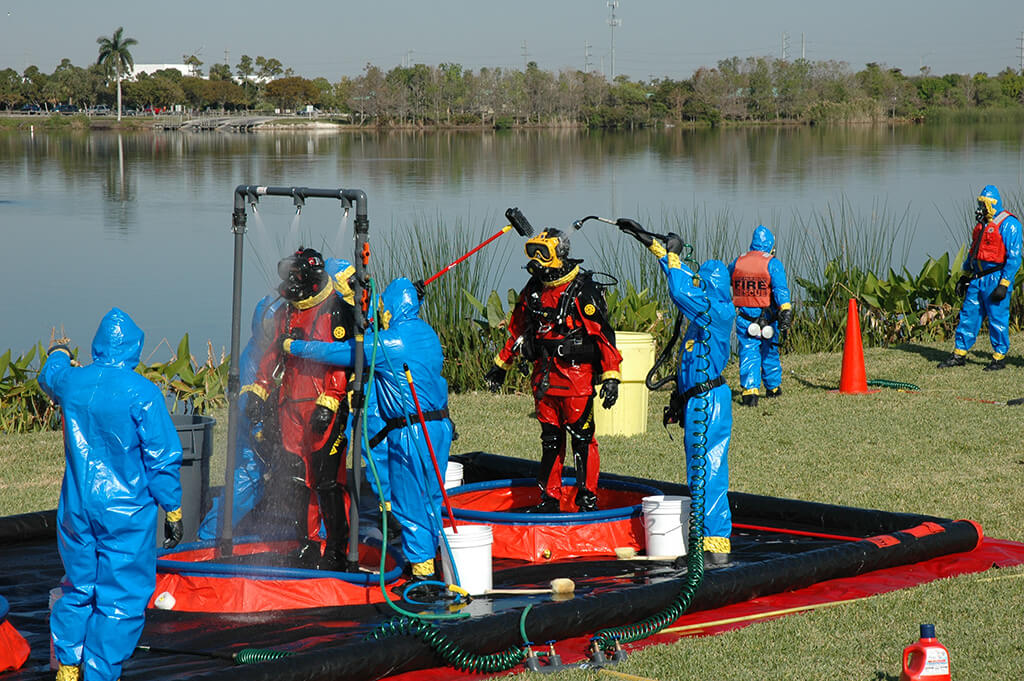
Contaminated water causes additional hazards and could possibly even stop your rescue/recovery operations. Almost all water is contaminated, and your team needs to be able to identify and operate in polluted water. During the Diving in Contaminated Waters Training Program, team members learn to operate in a safe, cost effective and proactive manner. Topics include: recognizing potential contaminants and hazards, medical considerations, operational planning, equipment selections and maintenance, considerations for diving systems, special diving techniques, protection for surface and decontamination personnel and decontamination procedures for diving personnel and equipment.
Diving in Contaminated Waters
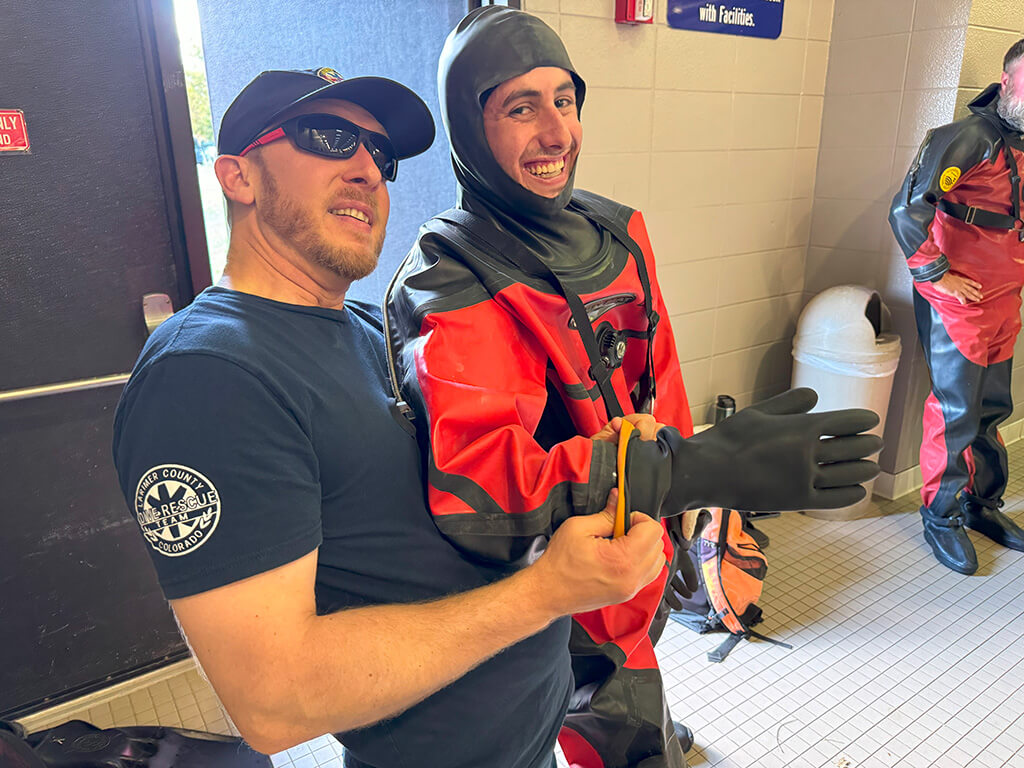
Diving in a dry suit addresses proper precautions needed when diving in potentially hazards conditions. Without proper protection from your potentially hazardous diving environment, your rescue/recovery operation may be hindered or halted. One of the first steps to preparing for contaminated water or ice diving is learning how to dive using a dry suit.
Dry Suit Diving
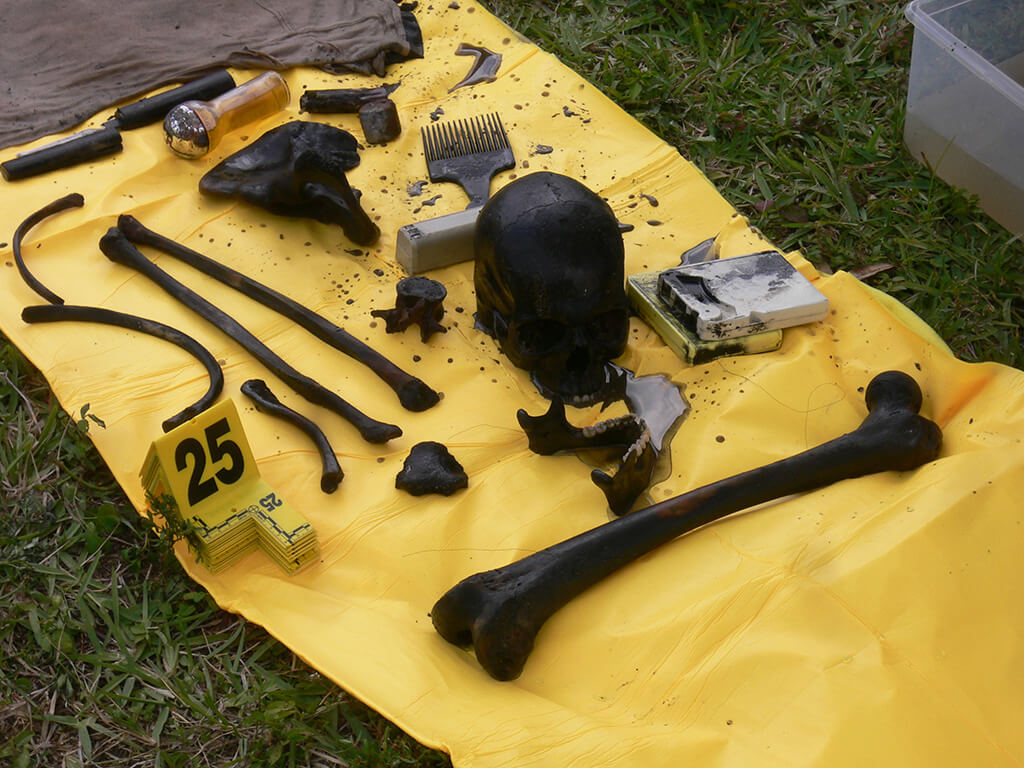
The Underwater Evidence Recovery Operations Specialist is specially trained in more advanced search and recovery techniques. Students will learn how to deal with crime scenes and the difficult task of evidence preservation. This underwater evidence recovery training program introduces students to advanced search patterns, evidence collection, and crime scene equipment & management.
Evidence Recovery Operations
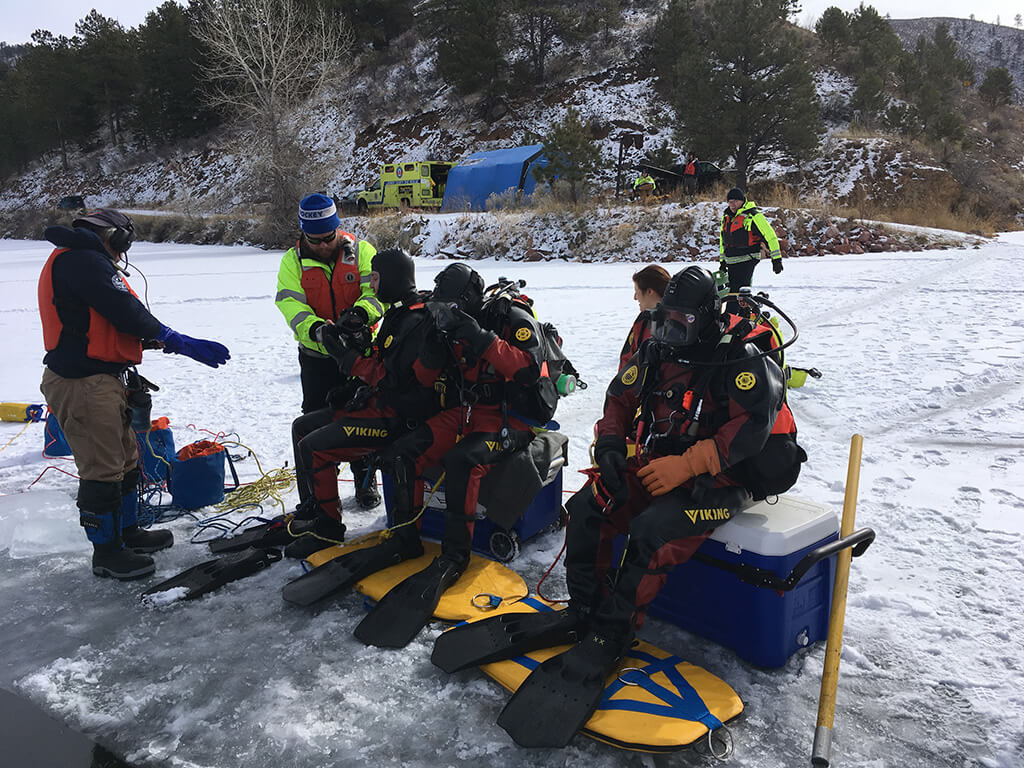
Ice Diving Operations is physically, mentally, and logistically challenging. Proper education in this overhead diving environment is key to a safe and successful operation. This program focuses on planning and implementing an ice diving operation so your team can safely conduct below ice rescues and recoveries. This intense, 24 hour training program introduces the techniques of diving beneath the ice and the proper planning of ice operations in rescue and recovery modes. Students participate in operational planning sessions and make multiple dives under the ice. This training program is also an excellent learning experience for surface-support personnel. Topics include: selecting and using specialized equipment, using underwater communication systems, ice-diving protocols, and special diving techniques. Programs are taught in a classroom, a pool, and at an open water site.
Ice Diving Operations
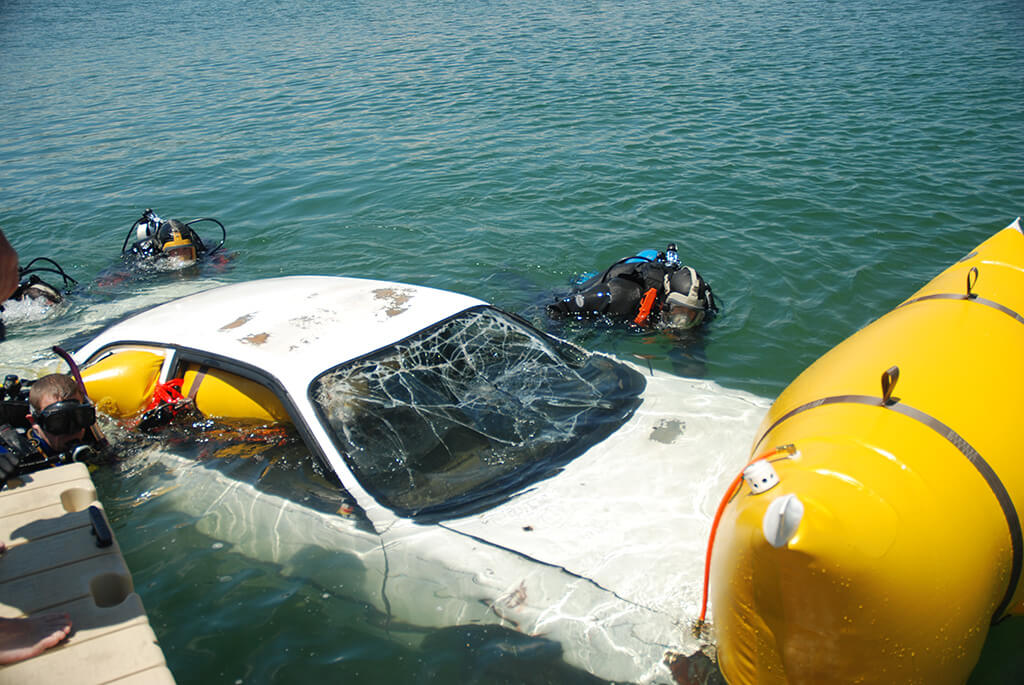
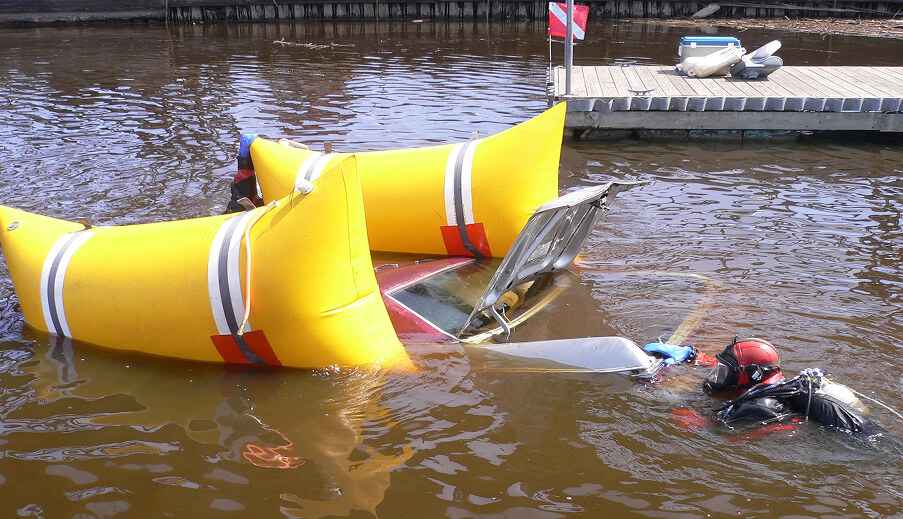
The Light Salvage and Recovery Dive Program takes your dive team to a more advanced level of service. Dive team members offering the capability of salvage operations add an environmentally conscious service to their community. The focus of the program is conduction of salvage operations as they apply to underwater crime scenes and investigations. Participants learn how to apply salvage technologies and concepts, use specialized lifting equipment to recover automobiles, aircraft, and boats; and practice a variety of lifting techniques during practical, hands-on exercises at an open water site. The program is conducted in a classroom, pool, and open-water site to allow students to practice their new skills in a controlled environment before the field scenarios. Topics include scene evaluation, operational organization, selecting specialized lifting equipment, underwater rigging techniques, and lifting.
Light Salvage & Recovery

Prepare to survive your next life threatening diving situation by inoculating yourself against panic and stress. The Public Safety Diver Survival Course is designed to improve and elicit automatic responses in survival situations. Participants learn techniques to minimize the negative effects of emotional and physiological stress based on research of public safety scuba injuries and deaths over several decades.
Public Safety Diver Survival
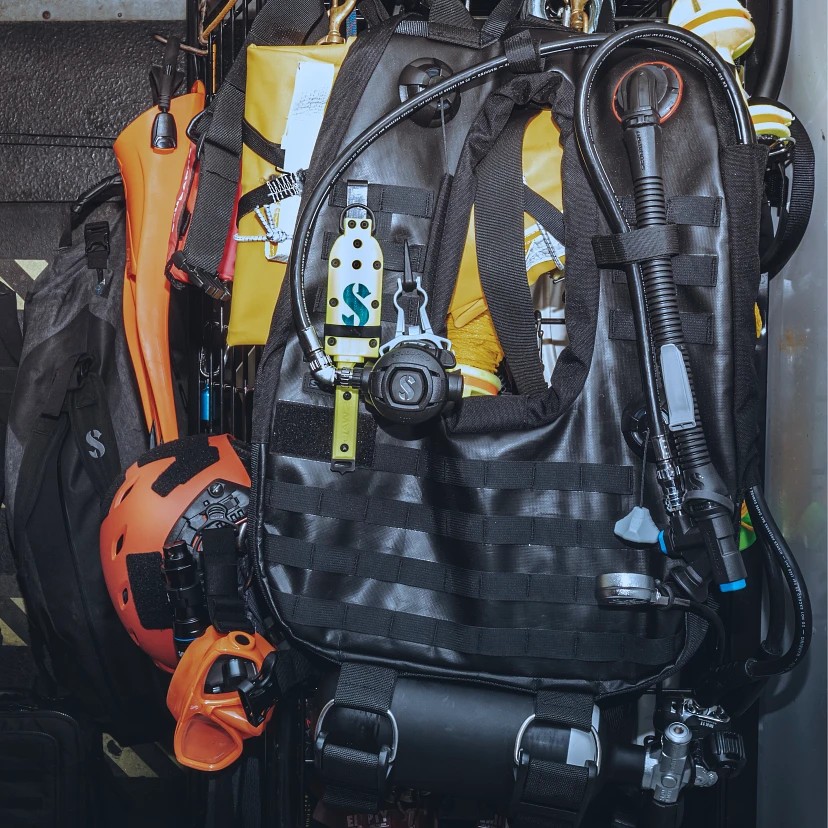
After completing this program, the Public Safety Diver (PSD) will have established a baseline set of skill processes and knowledge to utilize Rapid Diver Units in a response environment.
Rapid Diver Unit
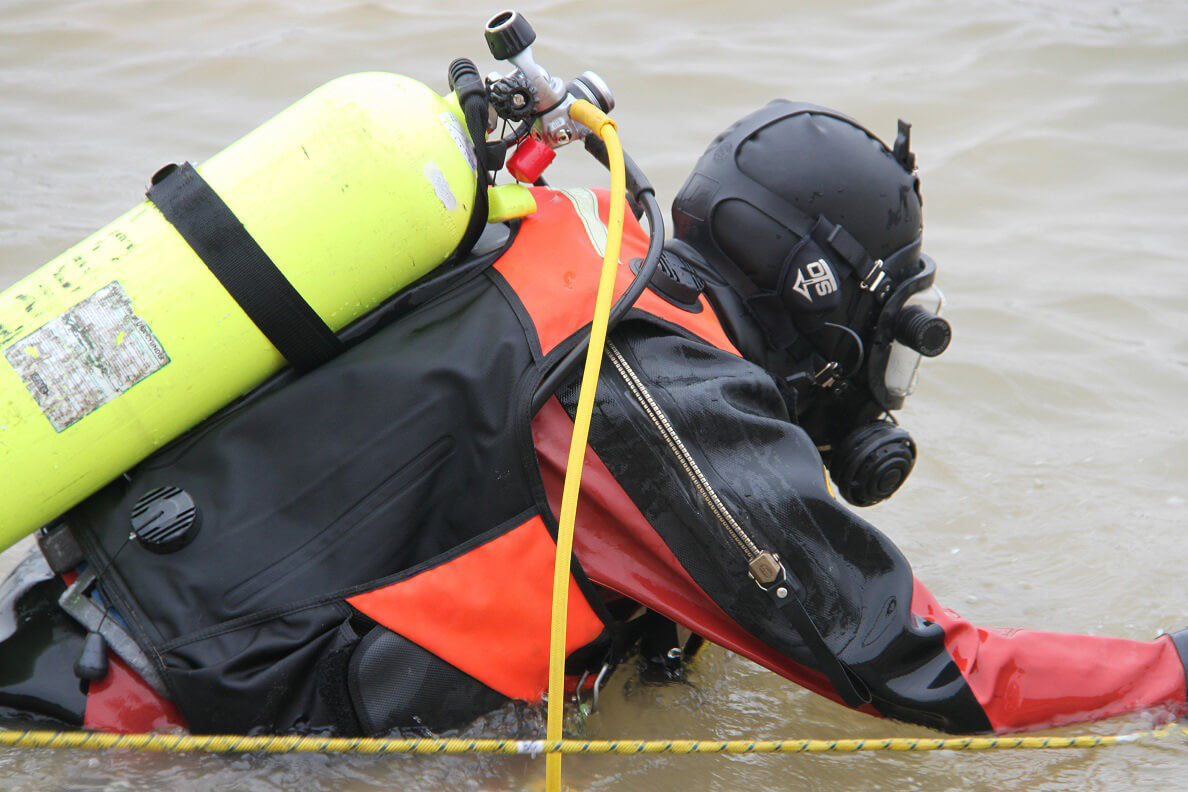
After completing this program, the Public Safety Diver (PSD) will have established the baseline knowledge, skills and abilities to recognize and respond to PSDs in distress.
Rapid Intervention Techniques
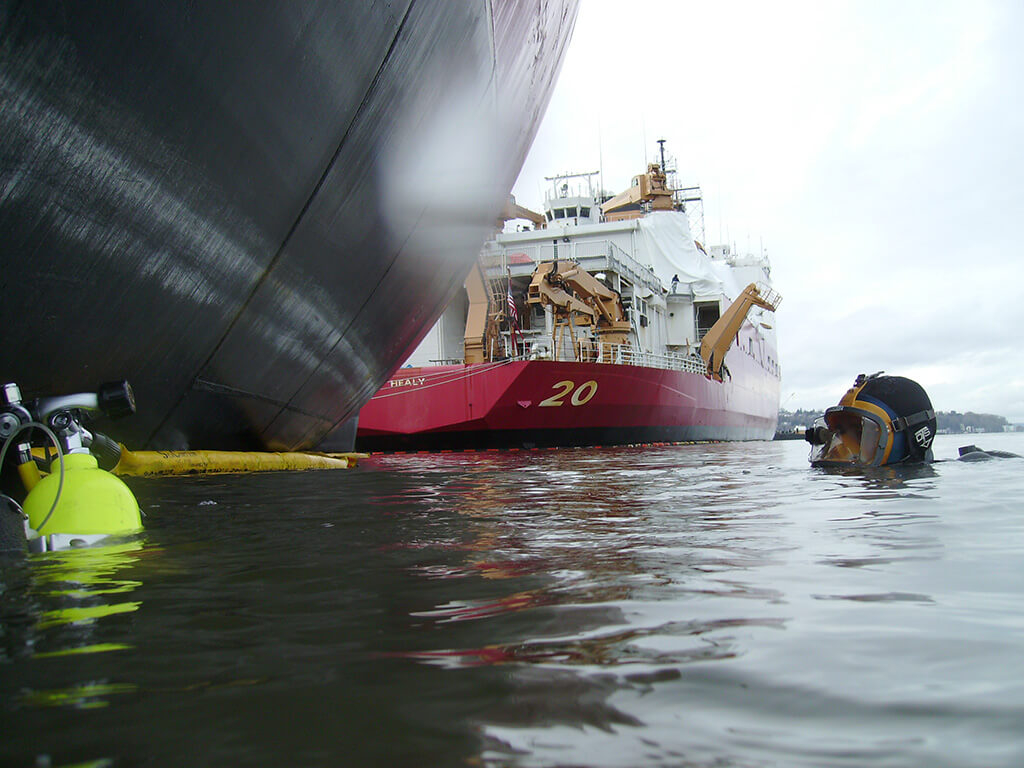
Students in Special Marine Operations courses learn to locate contraband, explosives, parasitic devices, and detect terrorist activities. This course trains divers to safely conduct pier and hull searches on vessels currently in commercial ports and inland waterways. This is an extremely hazardous endeavor and should only be practiced by highly trained individuals. Special Marine Operations is conducted in a classroom, a pool and an open-water site. The pool exercises allow students to practice their new skills in a controlled environment before the required field scenarios at the open-water site.
Special Marine Operations – Hull Search Diving
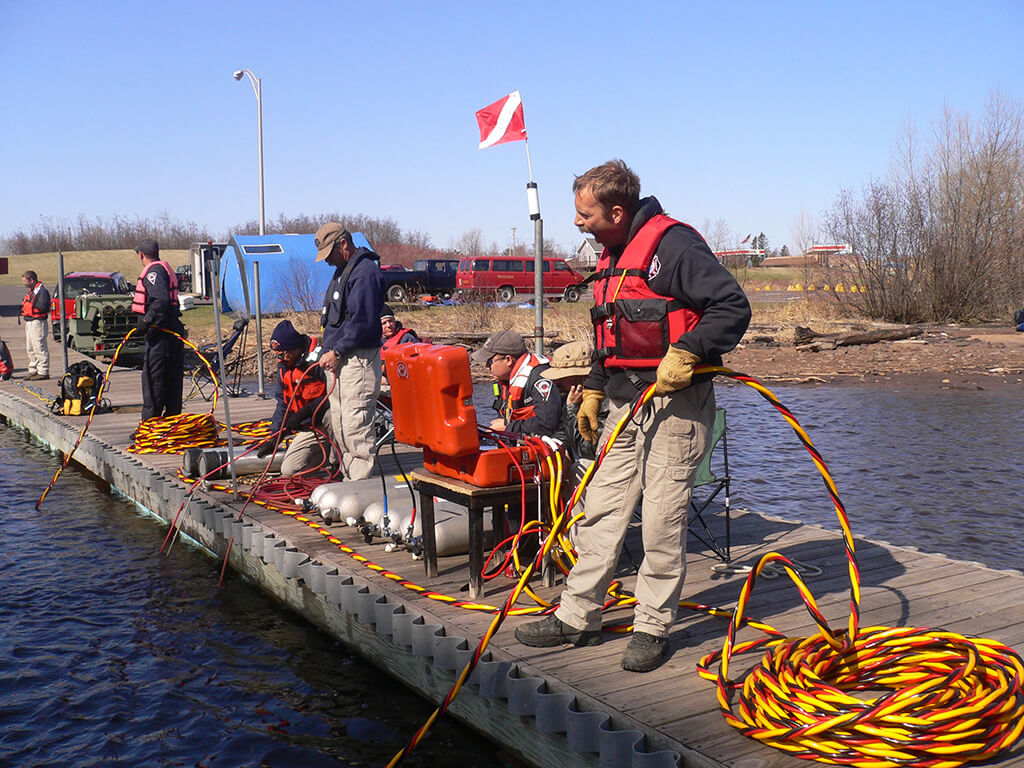
Learn how to select a system appropriate to your environment and get in-depth instruction for the safe planning and management of operations involving surface-supplied air. The Surface Supplied Air Program is taught in a classroom, a pool, and at an open-water site. Program topics include: Use of surface-supplied systems, selecting full-face masks or helmets, tethered diving, underwater communications systems and emergency procedures.
Surface-Supplied Air
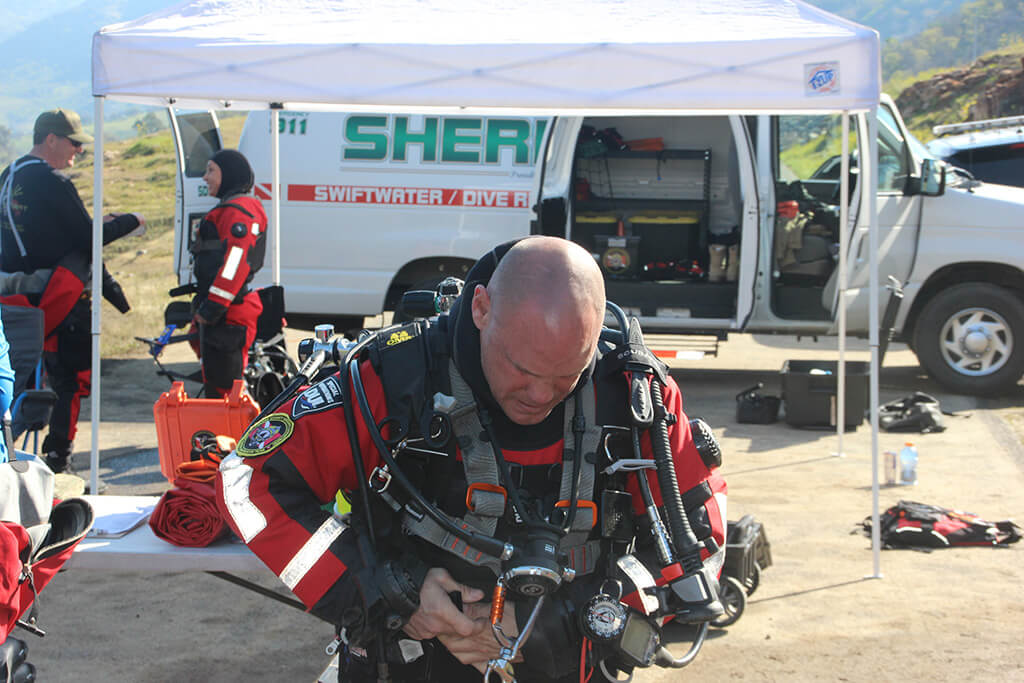
Underwater Crime Scene Technician is equivalent to the Dive Rescue 1 Program. Note: this course is dedicated entirely to recovery operations. Rescue topics are not covered. Fundamentals of public safety diving and crime scene preservation are taught in detail. This program is conducted in a classroom, a pool and at an open-water site. The pool portion allows students to practice their new skills in a controlled environment. The field scenarios are administered and graded at the open-water site. During the course students practice underwater search techniques and scene documentation, and get instruction on how to preserve evidence. Topics include advanced search patterns, use of underwater metal detectors, underwater crime scene photography and video, underwater crime investigations, and evidence laboratory parameters.
Underwater Crime Scene Technician I
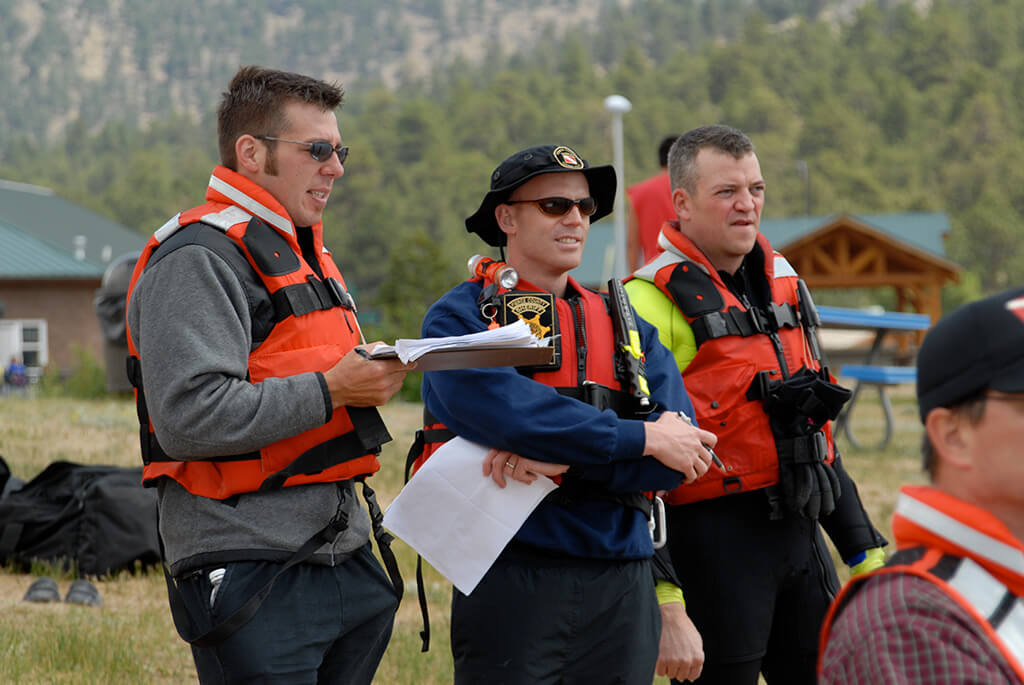
Due to the sensitive information presented in Underwater Crime Scene Technician II, the course is only available to law enforcement personnel or persons sanctioned by a law enforcement agency to assist with evidence recovery*. Detailed information is presented regarding evidence documentation, preservation and crime scene processing, fingerprint recovery, laboratory parameters, photography, videography, and advanced search patterns. This course deals specifically with body recovery operations making the content graphic in nature.
Underwater Crime Scene Technician II